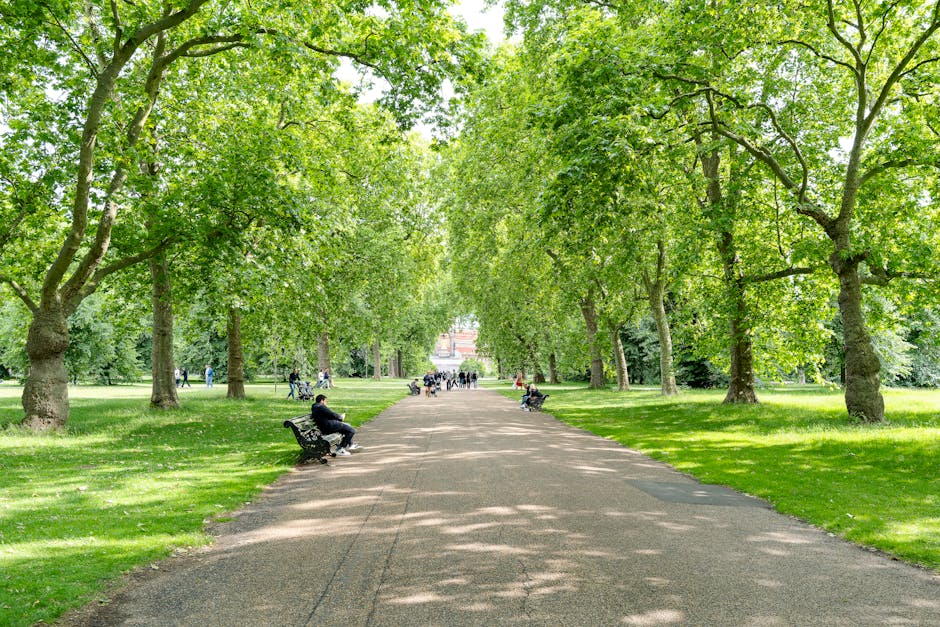
Gardeners serving Regents Park Inner Circle and London Zoo
If you are looking for Gardeners serving Regents Park Inner Circle and London Zoo, you are probably not just after someone to cut the grass and disappear. In this part of London, gardening has to work a bit harder. There are visitor routes, busy pavements, changing light, tighter access, mixed planting, and the kind of everyday wear that comes from being near one of the city's most recognisable green spaces. A good gardener here needs judgement, not just tools.
This guide explains what local gardening support usually involves, how the work is planned, which services make the biggest difference, and what to look for before you book. It also covers practical issues like maintenance frequency, hedge control, clearance, safety, sustainability, and simple ways to avoid expensive mistakes. If you want a cleaner, calmer outdoor space that stays manageable through the year, you are in the right place.
Table of Contents
- Why Gardeners serving Regents Park Inner Circle and London Zoo Matters
- How Gardeners serving Regents Park Inner Circle and London Zoo Works
- Key Benefits and Practical Advantages
- Who This Is For and When It Makes Sense
- Step-by-Step Guidance
- Expert Tips for Better Results
- Common Mistakes to Avoid
- Tools, Resources and Recommendations
- Law, Compliance, Standards, or Best Practice
- Options, Methods, or Comparison Table
- Case Study or Real-World Example
- Practical Checklist
- Conclusion
- Frequently Asked Questions
Why Gardeners serving Regents Park Inner Circle and London Zoo Matters
Gardens in and around Regent's Park need more than occasional attention. The area sits in a part of London where presentation matters, but so does resilience. Paths can collect leaf fall quickly, lawns can suffer from compacted soil, and formal planting can look tired fast if it is not maintained with a steady hand. Near major attractions such as London Zoo, outdoor areas may also experience heavier foot traffic, more litter, and more pressure on boundaries, screening, and shared edges.
That makes the job different from a typical suburban garden. You are often balancing appearance, safety, and practicality all at once. A neat lawn is good, yes, but a neat lawn that drains properly, edges cleanly, and can survive regular use is much better. That is the real value of experienced local gardeners: they see the little things before they become obvious problems.
In our experience, the best results come from consistent attention rather than dramatic one-off interventions. A tidy border, a well-timed cut, and controlled hedge growth can transform how a space feels. Not flashy. Just calm, ordered, and easier to live with.
If you want to understand the broader service range first, it can help to review the services overview, especially if you are comparing maintenance with one-off improvement work.
How Gardeners serving Regents Park Inner Circle and London Zoo Works
Good gardening work normally starts with a site assessment. That sounds obvious, but it matters. No two gardens are quite the same, and in this area the difference between a quick tidy-up and meaningful maintenance can be surprisingly large. A professional will usually look at access, surface condition, planting density, drainage, light levels, and any safety concerns before suggesting a plan.
From there, the work is usually split into a combination of routine and seasonal tasks. Routine work keeps the space under control. Seasonal work responds to growth patterns, weather, and the natural cycles of the garden. For example, a space may need mowing and edging in the growing season, then leaf clearance, pruning, and structural checks as autumn sets in. Simple enough, but easy to get wrong if the timing is off.
Gardening near the Inner Circle and London Zoo can also involve coordination. You may need visits planned around visitors, deliveries, residents, or building access. That means punctuality, tidy equipment handling, and low-disruption methods are not small details. They are part of the service.
If a garden is overgrown or full of old material, a one-off reset may be needed first. In those cases, garden clearance is often the practical starting point before any ongoing maintenance can really work.
Once the space is back under control, regular garden maintenance keeps it from slipping again. That ongoing rhythm is what most people actually need, truth be told.
Key Benefits and Practical Advantages
There are obvious benefits to hiring local gardeners, but the less obvious ones often matter most.
- Better presentation: clean edging, even lawns, and controlled hedging make a space feel cared for straight away.
- Safer movement: regular pruning, waste removal, and path clearance reduce trip hazards and messy build-up.
- Less long-term damage: weeds, moss, poor drainage, and neglected shrubs are easier to handle early.
- Smarter use of time: you do not have to spend weekends wrestling with half-finished jobs and blunt tools.
- More dependable scheduling: local teams can often work around access windows and repeat visits more efficiently.
- Improved plant health: the right cuts at the right time protect shape, growth, and seasonal performance.
There is also a peace-of-mind benefit. A tidy space just feels different. You notice it when you step outside in the morning and the path is clear, the edges are straight, and nothing is jangling at you visually. Small thing, but not really small.
For many properties, a thoughtful mix of hedge trimming, lawn mowing, and selective tree lopping and removal delivers the biggest improvement with the least fuss.
Who This Is For and When It Makes Sense
This kind of service suits more people than you might think. It is not just for large homes or formal private gardens. It can be a sensible choice for anyone with outdoor space that is getting ahead of them, or anyone whose garden needs to look consistently cared for.
You may benefit if you are:
- a homeowner who wants regular upkeep without the weekend workload;
- a landlord trying to keep a property presentable between tenancies;
- a managing agent responsible for shared or visible frontage;
- someone preparing a garden for sale, rent, or seasonal use;
- a business with outdoor edges, planting, or boundary areas that need regular attention;
- simply tired of seeing the same jobs pile up month after month. Happens to the best of us.
It also makes sense when the garden starts crossing a threshold from "needs tidying" into "needs a plan". Once the weeds take over, hedges lean into paths, or the lawn becomes patchy and compacted, random fixes tend not to last. That is usually the point where a structured service pays for itself in reduced stress alone.
If the space needs a broader refresh, landscape gardening or even fuller landscaping support may be more appropriate than routine maintenance. The right choice depends on how much change you actually want.
Step-by-Step Guidance
Here is a simple way to think through the process. Keep it practical and honest. No need to overcomplicate it.
- Walk the space properly. Look at lawns, borders, access points, drainage, hedges, trees, and any areas that feel awkward or unsafe.
- Decide what is routine and what is one-off. A patch of overgrowth might need clearance, while the rest only needs monthly maintenance.
- Prioritise the high-impact jobs first. Mowing, edging, hedge control, and waste removal usually change the feel of a garden fastest.
- Check whether the area needs repair or redesign. If the layout itself is the problem, maintenance alone may not be enough.
- Set a realistic schedule. Weekly, fortnightly, monthly, or seasonal visits each make sense in different situations.
- Review the result after the first cycle. A good system usually becomes obvious very quickly. If it does not, something in the plan needs adjusting.
A small example: a terrace garden near the park may look fine in spring, then become unruly by midsummer because the lawn is cut too infrequently and the hedge is catching too much shade. The answer is not necessarily "more work". It may just be better timing and a little trimming discipline.
For properties that need extra structure, a well-planned deck can also help define useable space. If that is relevant, take a look at the decking services page for a sense of how hard landscaping can support a tidier garden layout.
Expert Tips for Better Results
One of the easiest ways to improve a garden is to stop treating every task as separate. The lawn, the hedge, the borders, the trees, the clearances - they all affect each other. If you cut the hedge too late, the lawn underneath becomes weaker. If you leave pruning until everything is already crowded, light levels drop and the whole garden feels heavy.
A few practical tips:
- Keep cuts modest and regular. Smaller, frequent maintenance often looks better than dramatic cuts done late.
- Do not ignore the edges. Clean lawn lines and border edges do a lot of visual work.
- Clear waste as you go. Green waste left behind makes even a neat job look unfinished.
- Match the work to the season. Spring growth, summer stress, autumn leaf drop, and winter structure all ask for different attention.
- Be careful with shade. Around mature trees or taller buildings, some areas need different plants or different maintenance expectations.
And here's the thing: a tidy garden is not only about keeping it short. Over-trimming can strip character out of a space. The best work tends to keep the shape, soften the clutter, and preserve the natural feel. Not too much, not too little. That balance matters.
When health and safety is a concern, especially with ladders, heavy branches, or awkward access, it is sensible to use properly insured services and to ask how work will be carried out. You can also review the company's insurance and safety approach and health and safety policy for added reassurance.
Common Mistakes to Avoid
Most garden problems do not begin as major failures. They usually start as little delays. One missed cut. One skipped clearance. One hedge that was left "until next week" and then became a task nobody wanted to touch. You know how it goes.
- Trying to do everything at once: that often leads to rushed, uneven results.
- Ignoring access issues: a garden that is hard to reach needs a different plan, not optimism.
- Cutting too hard: aggressive pruning can damage plants and leave ugly gaps.
- Leaving waste on site: it undermines the finish and can attract pests.
- Using a one-off service for an ongoing issue: recurring growth problems usually need recurring care.
- Choosing on price alone: the cheapest option can become the most expensive if work has to be redone.
A quieter mistake is not being clear about expectations. If you want structured monthly maintenance, say so. If you need a garden reset before regular work begins, say that too. Good communication saves time and avoids the awkward "that's not quite what I meant" moment. Happens all the time.
Tools, Resources and Recommendations
A reliable gardening team will usually bring the right mix of cutting, clearance, and finishing tools for the site, but the real resource is planning. Still, it helps to know what tends to be used and why.
| Task | Typical Approach | Why It Helps |
|---|---|---|
| Lawn care | Regular mowing, edging, and debris removal | Keeps the grass healthy and the finish neat |
| Hedge control | Measured trimming and shaping | Maintains form without harsh scarring |
| Overgrowth removal | Cut-back, clearance, and waste disposal | Restores access and opens up the space |
| Tree work | Selective pruning or removal where needed | Improves light, safety, and structure |
| Garden renewal | Maintenance plus layout or planting changes | Makes the garden easier to use long term |
For customers who want a broader understanding of what is available, the garden maintenance and garden clearance pages are especially helpful because they clarify the difference between ongoing upkeep and a full reset.
If you are planning a larger refresh, landscape gardening can be a useful middle ground between routine care and full redesign. And if the issue is primarily structure, boundary definition, or flow, then landscaping may be the better route.
Law, Compliance, Standards, or Best Practice
Garden work is not usually heavily regulated in the same way as some trades, but there are still important standards to follow. Safe working practice matters. Waste handling matters. Respect for neighbours, shared access, and property boundaries matters too. In London, these basics are especially relevant because the environment is dense, public-facing, and often shared.
Best practice usually includes:
- safe use of tools and equipment;
- careful working near paths, entrances, and visitor areas;
- appropriate handling and removal of green waste;
- clear communication about access and timing;
- reasonable care with trees, hedges, and protected planting;
- proper insurance for the type of work being done.
If trees are involved, caution is particularly important. Not every branch issue means removal, and not every overgrown area needs heavy cutting. Responsible gardeners will usually prefer the least disruptive option that solves the problem properly. That is a good sign.
For customers who care about responsible disposal and lower environmental impact, the recycling and sustainability page is worth reading. It gives a clear sense of how green waste and materials are handled in a more considered way.
It can also be useful to check operational policies. The payment and security information, the complaints procedure, and the terms and conditions all help set expectations before work starts. Not glamorous, but reassuring. Very.
Options, Methods, or Comparison Table
Not every garden needs the same kind of service. Here is a simple comparison that can help you decide what fits best.
| Option | Best For | Typical Outcome | Notes |
|---|---|---|---|
| One-off tidy | Minor clutter or seasonal reset | Quick visual improvement | Useful before events or inspections |
| Routine maintenance | Ongoing upkeep needs | Stable, manageable garden | Usually the best long-term value |
| Clearance first, then upkeep | Overgrown or neglected gardens | Space restored and then maintained | Often the smartest route |
| Landscape improvement | Poor layout or hard-to-use space | Better structure and usability | More involved, but often worth it |
| Tree or hedge work | Light, privacy, access, or safety issues | Cleaner edges and better control | Should be timed carefully |
There is no single right answer. If your garden is almost there, routine upkeep may be enough. If it is awkward or overgrown, start with clearance. If it lacks definition, think structure. Simple, really, though not always easy to decide from the kitchen window.
Case Study or Real-World Example
Consider a typical London garden near Regent's Park Inner Circle. It has a small lawn, a hedge that has grown slightly too wide, a few shrubs that are blocking light, and a side path that has become dusty, leaf-strewn, and a bit slippery after rain. Nothing dramatic. Just enough to make the space feel neglected.
A sensible plan would usually look something like this:
- clear the path and remove accumulated debris;
- trim the hedge back to a clean line without over-cutting;
- mow and edge the lawn;
- thin or shape shrubs to improve light and airflow;
- check for any branches or planting areas that may need further attention later;
- set a repeat schedule so the garden does not drift back into the same state.
The change is not only visual. The garden becomes easier to walk through, easier to use, and much easier to keep in shape. That is often the moment people realise they did not need a full redesign after all - just the right maintenance approach in the right order.
Sometimes the biggest improvement is simply getting the place back on your side.
Practical Checklist
Use this quick checklist before booking or planning work:
- Have I identified the main issue: upkeep, overgrowth, structure, or all three?
- Do I need one-off clearance before routine maintenance begins?
- Is access straightforward, or will the team need to plan around gates, paths, or shared spaces?
- Are there trees, hedges, or shrubs that need careful handling?
- Do I want simple maintenance or a broader improvement to layout and use?
- Have I checked how waste will be removed or recycled?
- Do I understand the pricing basis and what is included?
- Have I looked at insurance, safety, and working practices?
- Is the schedule realistic for the size and condition of the garden?
- Do I have a clear idea of the finish I want?
If you can answer most of those, you are already in a good position. If not, that is fine too. It just means the garden needs a bit more thought before work starts.
Conclusion
Choosing Gardeners serving Regents Park Inner Circle and London Zoo is really about choosing steadiness, judgement, and care. In a part of London where outdoor spaces are visible, busy, and often a little demanding, the right support can make a garden feel calmer, cleaner, and much easier to live with.
The best results usually come from a sensible mix of clear planning, regular upkeep, and the right specialist help when needed. Start with the true condition of the space, not the ideal version of it. Then build a practical plan around that. It is more honest, and usually far more effective.
Get a free quote today and see how much you can save.
And if you are still weighing up the next step, that is perfectly normal. Good gardens are built patiently, one decent decision at a time. No rush. Just the right work, done well.
Frequently Asked Questions
What do Gardeners serving Regents Park Inner Circle and London Zoo usually include?
They usually cover routine upkeep such as mowing, hedge trimming, border care, weed control, pruning, waste removal, and occasional clearance. Some gardens may also need landscaping or structural improvements if the layout is not working well.
How often should a garden in this area be maintained?
That depends on the size of the garden, the planting, and how much growth it gets. Many spaces benefit from regular visits during the growing season, then lighter or seasonal work in quieter months. One-off visits can help, but they rarely keep a busy garden under control for long.
Is garden clearance different from garden maintenance?
Yes. Garden clearance is usually a one-off or short-term reset for overgrown, cluttered, or neglected spaces. Garden maintenance is ongoing care that keeps the garden looking tidy after it has been brought back under control.
Do I need landscaping or just maintenance?
If the garden is basically fine but untidy, maintenance is usually enough. If the space feels awkward, poorly arranged, or hard to use, landscaping may be the better choice. Sometimes a bit of both is needed, which is quite normal.
Can gardeners help with hedges and small trees near London Zoo and Regent's Park?
Yes, but the work should be done carefully and with proper safety awareness. Hedge trimming and tree lopping or removal can improve light, privacy, and access, but they need a measured approach, especially in tighter London settings.
What should I ask before booking a gardener?
Ask what is included, how waste is removed, whether the work is one-off or ongoing, how access will be handled, and whether the team is insured. It also helps to ask how they would prioritise the work if your garden needs both clearance and maintenance.
How do I know if a quote is fair?
A fair quote should reflect the size of the garden, the amount of work needed, access difficulty, waste disposal, and whether specialist tools are required. If a quote seems unusually low, check what is excluded. That saves awkward surprises later.
What are the most common mistakes with garden upkeep?
The most common mistakes are leaving jobs too long, cutting too hard, ignoring waste removal, and treating every problem as if a quick tidy will fix it. A garden usually improves faster when the work is paced properly.
Are sustainability and recycling important in garden work?
Yes, they are. Green waste, cuttings, and cleared material can often be handled more responsibly when the service is organised properly. That reduces mess and supports a cleaner, more thoughtful approach to upkeep.
Can garden maintenance help improve property value or appeal?
It can improve presentation, which often makes a property feel more cared for and more usable. That does not guarantee a specific financial outcome, but a neat garden often creates a better first impression, which is valuable in its own right.
What if my garden has been neglected for years?
That is still workable. The usual approach is to start with clearance, then move into maintenance once the space is manageable again. If needed, landscaping or planting changes can help the garden stay easier to look after in the future.
Where can I learn more about the company and its policies?
You can read more on the about us page, and review practical details such as pricing and quotes, recycling and sustainability, and the contact us page if you are ready to make an enquiry.