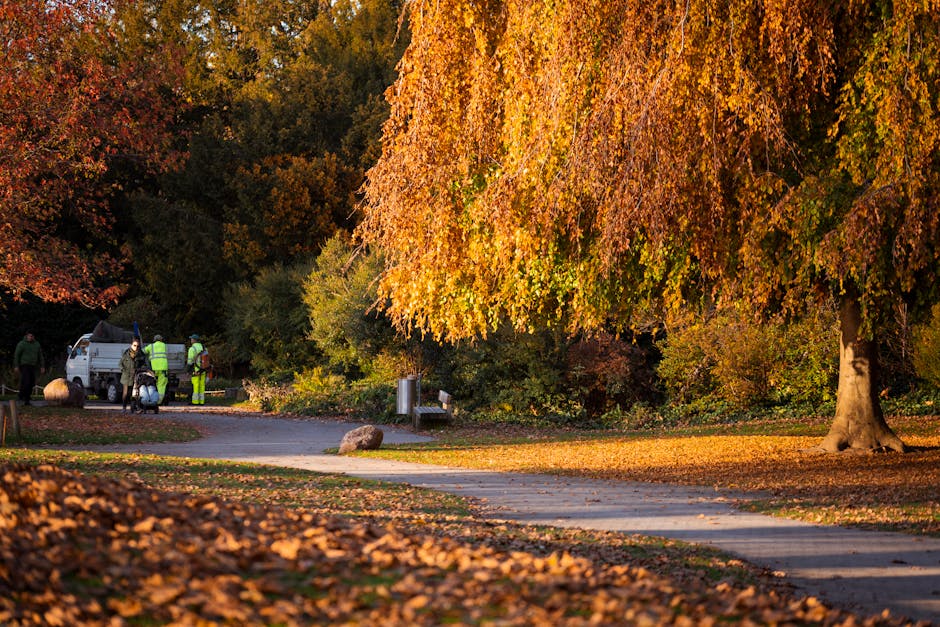
Same day gardeners for emergency clearance Regents Park
If your garden has suddenly become unsafe, blocked, or just overwhelming, same day gardeners for emergency clearance Regents Park can make the difference between a stressful mess and a calm, workable space by the end of the day. Fallen branches after wind, a broken fence scattering debris, an overgrown front path, or a last-minute landlord inspection - these things rarely happen at a convenient time, do they?
This guide explains what emergency garden clearance involves, how same-day response usually works, who it helps most, and what to check before you book. You will also find practical tips, a simple checklist, and a realistic example of how fast clearance jobs are normally handled in busy London conditions.
For broader service context, you may also want to explore the full services overview and garden clearance support if your job is urgent but not quite an emergency.
Table of Contents
- Why Same day gardeners for emergency clearance Regents Park Matters
- How Same day gardeners for emergency clearance Regents Park Works
- Key Benefits and Practical Advantages
- Who This Is For and When It Makes Sense
- Step-by-Step Guidance
- Expert Tips for Better Results
- Common Mistakes to Avoid
- Tools, Resources and Recommendations
- Law, Compliance, Standards, or Best Practice
- Options, Methods, or Comparison Table
- Case Study or Real-World Example
- Practical Checklist
- Conclusion
- Frequently Asked Questions
Why Same day gardeners for emergency clearance Regents Park Matters
Emergency clearance is not just about making a garden look tidy. It is often about removing immediate hazards, restoring access, and preventing a small problem from becoming a bigger one. In a place like Regents Park, where homes, shared gardens, managed properties, and narrow access points can all make things feel tighter than they should, speed matters.
When branches fall across a path, hedges collapse after heavy rain, or a garden fills with broken plant material and waste, delays can create real inconvenience. You may need to let tradespeople in. You may have children or pets to keep safe. You may simply be trying to avoid complaints from neighbours, and yes, that pressure can be enough on its own.
There is also a practical side that people sometimes overlook. The longer damp cuttings, soil, and green waste sit around, the heavier and messier they become. If a job that could be handled in a few hours is left until the weekend, it may take more labour and more careful sorting. Not dramatic, just true.
Expert summary: emergency garden clearance is most valuable when the priority is safety, access, and rapid reinstatement of order. The cleaner the briefing, the faster the response.
How Same day gardeners for emergency clearance Regents Park Works
Same-day response usually starts with a quick assessment. You explain what has happened, where the problem is, and how urgent it feels. A good team will want to know whether there are fallen trees, unstable branches, blocked entrances, sharp debris, heavy green waste, or access limits such as basement steps, shared hallways, or controlled parking.
From there, the job is normally planned around priority. The team may focus first on making the area safe, then on clearing loose material, and finally on loading and removal. If the space is particularly cramped, work may need to be done in stages. There is no magic trick here, just an organised approach and enough kit to keep things moving.
Depending on the situation, an emergency clearance visit may include:
- removal of fallen branches, leaves, and storm debris
- cutting back overgrowth that is blocking access
- clearing rubbish, broken plant material, and loose garden waste
- light pruning or trimming to stabilise the area
- bagging, loading, and responsible disposal of waste
If the issue involves larger vegetation or a dangerous tree, the task may need specialist handling. In those cases, it is sensible to ask about tree lopping and removal rather than assuming a standard clear-up will be enough.
It is also worth knowing that some urgent jobs are not pure clearance jobs at all. A front boundary hedge may be the real cause of the issue, which is where hedge trimming can restore visibility and access more efficiently than a full-scale tidy-up.
Key Benefits and Practical Advantages
The main benefit is obvious: fast relief. But there are several smaller advantages that matter just as much in real life.
- Immediate safety improvement: loose branches, slippery clippings, and hidden obstacles get removed before somebody trips or slips.
- Better access: paths, gates, and shared entrances become usable again, which helps households, tenants, contractors, and visitors.
- Lower stress: when the mess is already spreading, having the job handled quickly can stop the whole day feeling derailed.
- Cleaner presentation: useful for property viewings, landlord inspections, and short-notice family events.
- Reduced follow-on work: if damage, damp waste, or overgrowth is cleared promptly, it is often easier to maintain the area afterwards.
One thing people appreciate, especially in London, is that a same-day visit can be surprisingly efficient if the scope is clear. A small but nasty corner may take less time than you expect. A larger overgrown area, on the other hand, can be a half-day puzzle involving heavy bags, awkward access, and a few breaks for tools being swapped over. That is normal.
For ongoing upkeep after an urgent clearance, garden maintenance can help stop the same problem recurring every few weeks. Sometimes that is the real win.
Who This Is For and When It Makes Sense
Same-day emergency clearance is for anyone who needs a quick, sensible response rather than a carefully planned long-term landscaping project. That said, there are some very common scenarios where it makes the most sense.
Homeowners often book urgent clearance after storms, fallen branches, or a sudden build-up of waste before visitors arrive. Landlords and agents may need the space presentable before viewings or handovers. Property managers may be dealing with communal areas where one neglected corner becomes everybody's problem.
It can also be useful for:
- tenants who need to keep outdoor access clear
- families with children or pets
- older residents who cannot safely handle heavy garden waste
- business premises with front or rear access areas
- people preparing for works such as fencing, decking, or landscaping
If your garden is not an emergency but has become too much to manage, a broader tidy-up under garden clearance may be the better fit. If you are thinking beyond clearing and into redesign, landscaping or landscape gardening may be worth considering after the urgent work is done.
Truth be told, the right service depends less on the label and more on the problem in front of you.
Step-by-Step Guidance
If you want the smoothest possible same-day clearance, a little preparation helps. Not a lot, just enough to avoid confusion once the gardeners arrive.
- Describe the problem clearly. Say what happened, when it happened, and what is blocking access or creating risk.
- Send photos if asked. A quick image of the area can help the team estimate time, tools, and manpower.
- Identify access points. Mention side gates, locked entrances, basement paths, or parking restrictions.
- Point out hazards. Broken glass, nails, unstable structures, hidden wire, or sharp branches should be flagged early.
- Confirm what needs removing. Some people want everything gone; others only want the worst section cleared.
- Ask what happens to the waste. Good providers should be clear about loading, sorting, and disposal.
- Check the completion standard. Decide whether you want a basic safe clear, a more detailed tidy, or a return visit for finishing touches.
One useful habit: keep a short note on your phone listing the exact areas that matter most. Front path, back gate, side return, shed access, whatever it is. It sounds obvious, but under pressure people forget the small stuff.
If you are trying to understand how a provider approaches multiple outdoor tasks, the services overview gives a useful sense of how clearance fits alongside regular care and larger garden work.
Expert Tips for Better Results
In our experience, the best emergency jobs go well because the customer and the team are both working from the same picture. No mystery, no guesswork. Just a clear problem and a fast, sensible fix.
- Prioritise the hazard, not the mess. If there is a branch across a walkway, deal with that first. The rest can wait a minute.
- Be honest about the scale. Saying "a small pile" when the whole rear border has collapsed only slows things down later.
- Leave tools and bins out of the way. It sounds minor, but every obstacle adds time in narrow gardens.
- Ask about waste sorting. Green waste, mixed rubbish, timber, and soil are not always handled the same way.
- Think about follow-up maintenance early. If a hedge or lawn is the root cause, book the next step before the issue returns.
And one more thing. If you are trying to handle the first part yourself, do not overdo it before the crew arrives. People sometimes exhaust themselves doing the worst lifting, then wonder why the job feels twice as hard. Saves a headache, really.
For routine upkeep after an urgent visit, lawn mowing and hedge trimming are usually the quickest ways to keep a garden from slipping back into chaos.
Common Mistakes to Avoid
Emergency work is where people make little decisions quickly, and that is exactly when mistakes happen. The good news is that most of them are avoidable.
- Waiting too long: a small blockage becomes a larger safety issue if you leave it another day or two.
- Under-explaining the job: "It's a mess" does not help much. Be specific.
- Choosing only on speed: same-day availability matters, but so does proper handling and sensible waste removal.
- Ignoring access limits: if a gardener cannot get the waste out efficiently, the whole visit gets slower.
- Mixing clearance with design changes: emergency clearance and full landscaping are not the same thing.
- Forgetting the finish: sometimes the area is technically cleared but still awkward to use because the final sweep or edge tidy was skipped.
One of the more common misunderstandings is assuming every garden problem needs heavy machinery or a full crew. Often it does not. A good team will scale the approach to the actual issue. Not every job needs a dramatic entrance and noisy equipment. Thank goodness for that.
Tools, Resources and Recommendations
For same-day emergency clearance, the right tools matter because they save time and reduce mess. A sensible team will usually rely on practical, job-specific equipment rather than trying to improvise on site.
Commonly useful items include:
- secateurs and loppers for small cuts
- hedge trimmers for fast cutting back
- pruning saws for thicker woody growth
- heavy-duty bags or bins for waste collection
- gloves, eye protection, and suitable footwear
- tarpaulins or sheets to contain debris
For larger or more technical work, especially where trees are involved, the job may need stronger safety controls and a more careful plan. If you are unsure whether the issue is routine clearance or something more serious, ask early rather than guessing.
It can also help to review useful company pages before booking, especially if you care about process and trust. For example, pricing and quotes can help set expectations, while insurance and safety is the sort of detail that matters more than people sometimes admit. Fair enough too.
If sustainability matters to you, recycling and sustainability is worth checking because garden waste should be handled responsibly wherever possible.
Law, Compliance, Standards, or Best Practice
For garden clearance, the biggest compliance concerns are usually safety, waste handling, and making sure any work is carried out responsibly. That does not mean every urgent job becomes a legal maze. It just means the basics should be respected.
In the UK, a professional garden team should work with appropriate care around hazards, use equipment properly, and avoid leaving debris in a condition that creates risk for others. If waste is being removed, it should be dealt with in line with normal waste-handling expectations rather than dumped carelessly. That sounds obvious, but it is worth saying plainly.
In shared or managed properties, there may also be site rules, access arrangements, or landlord instructions to follow. And if the job involves unstable trees, damaged structures, or anything that could fall, a cautious approach is the right one. Best practice is simple: make the area safe first, tidy second, improve third.
Trust matters here too. If you are inviting someone into a property at short notice, it is reasonable to check company information, procedures, and payment clarity. You can review health and safety policy, payment and security, and the company's about us page for a better sense of who you are dealing with.
When a provider has clear terms and complaint handling, that is reassuring too. Not exciting, maybe, but reassuring.
Options, Methods, or Comparison Table
Not every urgent outdoor issue needs the same service. A quick comparison helps separate the main choices.
| Option | Best for | Typical strength | Possible limitation |
|---|---|---|---|
| Same-day emergency clearance | Blocked access, storm damage, urgent tidying, safety concerns | Fast response and immediate relief | May focus on priority clearing rather than detailed finishing |
| Garden clearance | General overgrowth, accumulated waste, messy outdoor spaces | More structured clearance work | Not always as fast as same-day response |
| Garden maintenance | Keeping a cleared garden under control | Prevents repeat build-up | Usually not suited to urgent hazards on its own |
| Hedge trimming or lawn mowing | Specific growth problems or routine tidy-ups | Targets one area efficiently | May not solve broader waste or storm damage |
If the issue is mainly a barrier or obstruction, same-day clearance is often the best first move. If the garden needs a broader reset after that, a follow-up visit can combine maintenance and longer-term improvement. Simple, really.
Case Study or Real-World Example
Imagine a ground-floor property in Regents Park after a windy night. By morning, a heavy branch has come down across the side access, wet leaves are plastered to the path, and the back gate is barely usable. The resident needs the route cleared before a delivery arrives, and a neighbour has already mentioned the mess. Classic awkward morning.
A same-day gardener would usually start by checking whether the branch is stable, then remove the most dangerous sections first. After that, loose debris would be gathered, the path swept, and the waste bagged for removal. If the branch had damaged a hedge or exposed another weak spot, that would be noted for follow-up work rather than being ignored.
What made the difference in this sort of job is not just speed. It is sequence. Safety first, access second, visual tidy third. The resident ends the day with a usable path and a clear plan for any remaining work. Not glamorous, but a relief all the same.
That is often what people want from emergency clearance: not perfection, just getting life back to normal before the day runs away from them.
Practical Checklist
Use this before you book or when you are waiting for the team to arrive.
- Identify the main hazard or blockage
- Take clear photos if possible
- Confirm access points and parking restrictions
- Move valuables, bikes, ornaments, or pets out of the work area
- List anything that must stay in place
- Ask whether waste removal is included
- Check if trees, fences, or structures are involved
- Decide whether you want a basic clear or a more detailed tidy
- Ask about next-step services if the problem is likely to return
- Keep a contact number handy in case the team needs directions
Quick rule of thumb: if the area feels unsafe, blocked, or difficult to use, treat it as an urgency issue rather than waiting for a perfect moment that never really arrives.
Get a free quote today and see how much you can save.
Conclusion
Same day gardeners for emergency clearance Regents Park are most valuable when you need fast, practical help without fuss. Whether the problem is storm debris, blocked access, heavy overgrowth, or a garden that has simply tipped from manageable into unmanageable, the right response is usually calm, organised, and efficient.
The best results come from clear communication, realistic expectations, and a focus on safety before presentation. Once the immediate pressure is gone, you can think more clearly about maintenance, trimming, or bigger improvements. That is the real advantage: one urgent job handled properly can reset the whole space.
If you are ready to take the next step, use the company's relevant service information, review the practical details, and book the help you actually need. A clear garden has a way of clearing the head too.
Frequently Asked Questions
What counts as an emergency garden clearance?
An emergency garden clearance usually involves a problem that is blocking access, creating a safety risk, or causing immediate disruption. Fallen branches, storm debris, collapsed hedging, and urgent overgrowth are common examples.
How quickly can same-day gardeners usually arrive in Regents Park?
That depends on workload, location, and the size of the job. Same-day services are designed for fast response, but the exact arrival time can vary. The more clearly you describe the issue, the easier it is to slot the job in.
Is same-day clearance the same as regular garden clearance?
Not quite. Regular garden clearance is usually planned in advance, while same-day emergency clearance is about speed and immediate access. The methods can overlap, but the priority is different.
Can a gardener remove fallen branches and green waste on the same visit?
Often yes, if the work is within scope and the access is manageable. Larger branches or unstable trees may need more specialist handling, so it is best to mention those details upfront.
What should I tell the gardener before they come out?
Explain what happened, where the problem is, whether anything is unsafe, and how easy it is to reach the area. Photos help, especially when access is tight or the garden is partially hidden from view.
Do I need to move furniture or plants before clearance starts?
If you can do so safely, yes. Moving fragile items, pots, and outdoor furniture out of the way makes the job quicker and reduces the chance of accidental damage. If you cannot move them, let the team know.
What if the problem turns out to be bigger than expected?
That happens. A branch that looks manageable from the gate may be hiding damage, or a hedge may be thicker at the base than it looked from the photos. A good team will pause, reassess, and explain the next sensible step.
Will the waste be taken away after clearance?
Usually, yes, but it is always worth confirming. Waste removal can be part of the service or discussed separately, depending on the size and type of material involved.
Is emergency clearance suitable for landlords and property managers?
Very much so. It is often used to restore access before inspections, handovers, or tenant visits. Speed and presentation both matter in those situations.
What if I only need part of the garden cleared?
That is common. You might only need a path opened, a rear gate cleared, or one corner made safe. You do not always need a full garden overhaul when a targeted job will do.
How do I know if I should book maintenance instead of clearance?
If the garden is not urgently blocked or unsafe, and the main issue is ongoing upkeep, maintenance may be the better fit. If you are dealing with a sudden mess or hazard, clearance should come first.
Are there any safety concerns I should mention before the visit?
Yes. Mention broken glass, unstable structures, large fallen limbs, hidden wires, slippery ground, or restricted access. It helps the team prepare properly and work more safely from the start.