What to know about access and gates for Regents Park gardeners
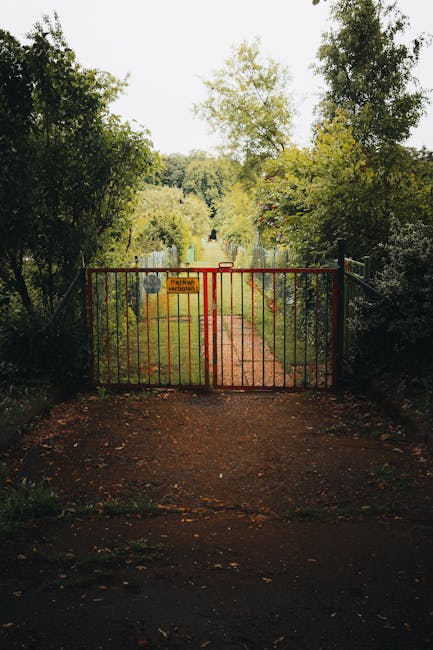
If you are arranging gardening work in Regent's Park, access is often the part that gets overlooked until the day the team arrives. Then suddenly the questions start: Which gate should be used? Is there a code? Can a mower fit through? What if the garden is tucked behind a terrace or shared passage? In busy London settings, those little details can make the difference between a smooth visit and a frustrating delay.
This guide explains what to know about access and gates for Regents Park gardeners in plain English. We will look at how access usually works, why it matters, the practical checks to make before work starts, and the common problems that catch people out. If you are planning garden maintenance, hedge cutting, clearance, or a bigger landscaping job, this is the kind of groundwork that saves time, stress, and a fair bit of back-and-forth.
To be fair, most access issues are simple once someone points them out. A gate that sticks, a narrow side return, a locked communal entrance, or a need to protect paving can all be handled with the right preparation. The trick is knowing what to ask, what to measure, and what to confirm early.
- Why access and gates matter
- How garden access usually works
- Key benefits of planning access properly
- Who this is for
- Step-by-step guidance
- Expert tips for smoother visits
- Common mistakes to avoid
- Tools, resources and recommendations
- Compliance and best practice
- Access options compared
- A real-world example
- Practical checklist
- Conclusion
- Frequently asked questions
Why What to know about access and gates for Regents Park gardeners Matters
Garden work rarely happens in a vacuum. The team needs to get people, tools, waste bags, plant material, and sometimes larger equipment in and out without causing damage or delay. In Regent's Park, that can mean dealing with basement gardens, mews-style entrances, narrow front paths, communal gates, or service access that is shared with neighbours. None of that is unusual, but each setup needs a bit of thought.
Access matters for three main reasons. First, it affects efficiency. If a gardener has to keep stopping to move items through a awkwardly placed gate, the job takes longer. Second, it affects safety. Tight entrances, slippery paths, or heavy gates can create avoidable risks. Third, it affects the quality of the result. If access is poor, some jobs become harder to finish neatly, especially clearance, hedge work, or landscaping where materials need moving in stages.
There is also the neighbour factor, which in London is never exactly minor. A gate left open, tools resting across a shared path, or repeated trips through a communal hallway can quickly become awkward. Good access planning avoids that. Simple as that.
At services overview, you can see how different garden tasks may call for different access arrangements. A regular mow is one thing; a major clearance or structural landscaping project is another entirely.
Expert summary: In Regent's Park, access planning is not a side issue. It is part of the job itself. The better the entry, gate, and route are prepared, the faster, safer, and tidier the work usually is.
How What to know about access and gates for Regents Park gardeners Works
Garden access usually starts with a simple walk-through or a few clear photos. A gardener will want to know where the entrance is, how wide the gate opens, whether it swings inwards or outwards, whether the latch is working, and whether there are any steps, tight corners, or shared spaces. If waste removal is involved, the route out matters just as much as the route in.
A practical access check usually covers:
- the main gate and any secondary side gate
- gate width and height, especially for wheelbarrows or compact machinery
- lock type, key handover, or entry code
- surface condition such as gravel, decking, damp paving, or muddy patches
- clear route for bags, branches, soil, and equipment
- neighbour or concierge access, if the garden is shared
- safe storage spot for tools while work is underway
For larger projects, it can help to think of access in layers. There is arrival access for the team, work access for the actual task, and removal access for waste and finishing materials. If one of those layers is difficult, the whole day tends to slow down. That is usually where the snag appears.
Many people assume the gate itself is the main issue. Sometimes it is. But just as often the problem is what comes after the gate: a narrow passage, a locked courtyard door, or a route that crosses a clean indoor space. In those cases, the right preparation is about protecting the route as much as opening it.
If the work is tied to upkeep rather than a one-off job, it can be worth checking the details against garden maintenance so recurring visits stay simple and predictable.
Key Benefits and Practical Advantages
Good access planning is not just about avoiding problems. It makes the whole service feel more organised, which matters more than people think. When a gardener can get in easily and work without stop-start interruptions, you tend to get a better pace, cleaner finish, and less disruption.
Here are the main benefits:
- Less wasted time. The team can start sooner and keep moving.
- Lower risk of damage. Clear routes mean fewer knocks to gates, walls, pots, or paving.
- Safer handling of tools and waste. Branches, trimmings, and bags are easier to move when the access route is planned.
- Better neighbour relations. Fewer misunderstandings around shared entrances or passageways.
- Cleaner results. When movement is easier, finishing touches are easier too.
There is a quieter benefit as well: confidence. When everyone knows how the access works, the job tends to feel calmer. No one is running around looking for a key or wondering whether the side gate will open. It sounds small. It is not small, though, once you are trying to get a hedge cut before the weather turns.
For one-off heavy jobs like overgrown clear-ups, the value is even clearer. A route that looks fine for one person with secateurs may not be fine for bags of cuttings, garden waste, or a compact loader. That is why services such as garden clearance often benefit from a more detailed access conversation upfront.
Who This Is For and When It Makes Sense
This topic matters to more people than you might expect. It is not only for homeowners with large gardens. In Regent's Park, access and gates become relevant for flat owners, landlords, managing agents, estate teams, commercial properties, and anyone with a shared or restricted outdoor space.
It especially makes sense to think it through if:
- the garden is behind a locked or coded gate
- there is a narrow side passage or alley
- you have fragile paving, decking, or decorative borders
- the garden is reached through a communal building
- you need regular visits rather than a single tidy-up
- the job involves bulky waste, soil, turf, or materials
- you want hedge trimming, mowing, or tree work without disturbing neighbours
It also matters if you are comparing services and trying to understand what different teams will need from you. A provider with good access questions is usually thinking ahead. That is a good sign. It suggests they are trying to avoid surprises instead of just turning up and hoping for the best.
If you are still deciding what kind of help you need, it can be useful to look at the range of work described on services overview, then match access requirements to the likely job type.
Step-by-Step Guidance
Here is a practical way to prepare access and gates before a gardener visits. Nothing fancy. Just sensible steps that prevent most headaches.
- Identify every possible route. Do not assume the front gate is the only way in. Side entrances, rear access, shared paths, and internal courtyard doors can all matter.
- Measure the narrow points. If a wheelbarrow, tool trolley, or bags of cuttings need to pass through, width matters. So does the height of overhanging ironwork or low branches.
- Check how the gate opens. A gate that swings freely in the morning can jam in the afternoon if the latch is off or the ground shifts. It happens.
- Confirm keys, codes, and contacts. Decide who is opening up, who stays available by phone, and what happens if someone is late.
- Clear the path. Move bikes, bins, toys, hosepipes, and fragile pots out of the way. You would be surprised how often a neat-looking route is not actually usable.
- Protect surfaces. If the route crosses stone, timber, or indoor flooring, ask how it should be covered or kept clean.
- Flag neighbour or management issues early. Shared entrances, quiet hours, and concierge permissions are best sorted before anyone arrives.
- Walk the route once more. A quick final check often reveals the obvious thing everyone missed. The little latch that sticks. The awkward step. The gate that only opens halfway.
A real-world example: a client may say, "The back gate is fine." Then on the day, it turns out it opens only 70 degrees because of a bin store, and the only practical route is through a side passage with a loose paving slab. That is not a disaster, but it does change how the job is organised. Better to know that in advance.
Expert Tips for Better Results
If you want the day to run smoothly, think like the person carrying the kit. That usually helps. A gardener needs enough room to move without scraping paintwork, catching hose reels, or blocking access for neighbours.
These tips tend to make the biggest difference:
- Send photos from both directions. One photo of the gate is useful. Two or three photos showing the route in and out are much better.
- Use landmarks. Saying "the gate near the black bin store" is often more helpful than a general description.
- Be honest about awkwardness. If the route is tight, say so. Nobody benefits from a pleasant surprise that turns into a bottleneck.
- Think about waste as well as entry. Some gardens are easy to enter but awkward to exit with bags or branches.
- Allow for weather. After rain, a normally manageable route can become slippery, muddy, or a bit treacherous. London drizzle, honestly, never helps.
- Keep gate hardware maintained. A sticking latch or rusty hinge can slow the whole visit, especially if the gate is opened multiple times during the day.
There is also a communication tip that sounds basic but works: confirm the access plan in one place, once, and keep it simple. A long thread of mixed messages is where confusion creeps in. One person says the side gate is open, another says it is not, and everyone wastes ten minutes doing an awkward little circuit. Been there, seen that.
If the job involves ladders, tree work, or heavier equipment, it may be worth reviewing insurance and safety so you understand the wider approach to safe site access and handling.
Common Mistakes to Avoid
Most access problems are preventable. The trouble is, people only notice them when the gardener is already at the door.
- Assuming "easy access" means enough access. Easy for a person is not always easy for equipment.
- Forgetting about waste exit routes. A tidy path in is no guarantee that trimmings can come out neatly.
- Not checking gate width. This is a common one. A gate may open, but not enough.
- Leaving fragile items near the route. Pots, ornaments, solar lights, and furniture all get bumped if they are in the way.
- Ignoring shared access rules. Communal buildings, estate gardens, and managed properties often have their own expectations.
- Failing to mention poor lighting. Early starts or late finishes can make dark passageways harder to navigate.
- Sending only a postcode and expecting the rest to be guessed. No one enjoys guesswork at a locked gate.
The biggest mistake? Probably underestimating how much access affects the whole day. A garden can be perfectly planned in every other way, then one stubborn gate turns it into a stop-start job. That is why a few minutes of planning is worth much more than it looks.
Tools, Resources and Recommendations
You do not need specialist equipment just to plan access well, but a few basic tools help. A tape measure is obvious. So is a phone camera. Beyond that, it is more about clear information than fancy kit.
Useful items and resources include:
- a tape measure for gate width and passage width
- a phone for photos of locks, routes, steps, and surface conditions
- basic notes on gate codes, alarm details, or access contacts
- temporary protection for surfaces if a route crosses indoor or decorative areas
- a simple sketch of the access route for larger or more complex sites
When comparing service options, it can help to look beyond the headline task and think about the working conditions too. For example, hedge work, mowing, and landscaping all interact differently with access constraints. A lawn cut through a narrow side gate is one thing; a landscaping project that needs materials moved in and out for several days is another.
That is where a page like landscape gardening becomes useful, because it helps you think through whether the access route can support a more involved project rather than just a quick visit.
If your garden is mainly about keeping things neat from week to week, lawn mowing and hedge trimming are often the kinds of jobs where simple, reliable access matters most.
Law, Compliance, Standards, or Best Practice
For most domestic garden visits, access and gates are governed more by practical duty of care and property arrangements than by a single simple rule. Still, there are some sensible UK best-practice principles to keep in mind.
First, anyone entering a property to work should do so in a way that avoids foreseeable harm. That means checking gates, removing obvious trip hazards where possible, and not forcing access if it creates damage or risk. Second, shared buildings or managed estates may have their own access requirements, and those should be respected. Third, if tools, ladders, or machinery are involved, safe movement through the site becomes part of everyday working practice, not an optional extra.
For clients, the main point is straightforward: be clear about restrictions, permissions, and any known hazards. If a gate is unstable, a route is slippery, or a door must stay closed for security reasons, say so early. That helps everyone work safely and avoid misunderstandings.
If you want to understand how a service provider approaches these responsibilities, it is worth reading pages such as health and safety policy and accessibility statement. Those pages help show how the business thinks about safe, inclusive access in real working conditions.
Options, Methods, or Comparison Table
Different gardens need different access setups. Here is a simple comparison to help you judge what might be most practical.
| Access method | Best for | Pros | Watch-outs |
|---|---|---|---|
| Front gate only | Small, straightforward gardens | Simple, clear, easy to brief | Can be tight if waste or larger tools need moving |
| Side access | Homes with narrow passages or rear gardens | Useful for discreet entry and exit | May be narrow, dark, or obstructed by bins and bikes |
| Shared entrance | Flats, managed buildings, communal gardens | Organised and secure when well managed | Needs permissions, timing, and neighbour awareness |
| Multiple access points | Complex or larger sites | Flexible and efficient for larger jobs | More communication needed to avoid confusion |
For many Regent's Park properties, the best option is not the most obvious one. Sometimes the rear gate is used for entry, but the front path is better for bringing waste out. Sometimes a shared entrance is fine for routine maintenance, but not ideal during clearance work. The practical answer depends on the job, not just the property.
Case Study or Real-World Example
A good example is a fairly typical London courtyard garden with a locked front gate, a slim side passage, and a rear door that opens into the garden. On paper, it looks manageable. The owner wants the borders tidied, the hedge shaped, and some old pots removed. Straightforward enough.
In practice, the first issue is the side passage. It is just wide enough for one person, but not for anything bulky. The gate also opens toward a drainpipe, which makes it awkward to swing fully back. Nothing dramatic. Just fiddly.
The solution is usually to keep tools lightweight, stage materials in smaller loads, and choose a route that avoids bumping the wall or dragging debris through the cleanest part of the property. The gardener may also ask for the gate to be opened ahead of arrival and for any bins or planters to be shifted in advance. That makes the day calmer and tidier, and the client does not have to stand there improvising while someone balances a trimmer and a bag of cuttings at the doorway.
This kind of planning is especially helpful for repeat visits. Once the access route is agreed, the whole arrangement gets easier each time. That is where regular care services really benefit from a stable routine, particularly where garden maintenance is ongoing through the seasons.
Practical Checklist
Use this quick checklist before the team arrives. It is simple, but it catches a lot.
- Confirm which gate or entrance will be used
- Check that the gate opens fully and closes securely
- Measure narrow points if anything bulky needs to pass through
- Share key, code, or contact details in advance
- Clear bikes, bins, toys, and pots from the route
- Flag steps, slopes, slippery surfaces, or broken paving
- Tell the team about neighbours, shared areas, or quiet-hour concerns
- Make sure waste can leave the property without damaging surfaces
- Ask whether any surface protection is needed
- Keep your phone nearby in case access instructions need a quick update
If you are arranging a one-off tidy-up rather than a regular visit, check whether the job also needs material removal or heavier clearing. That may change how the access route should be prepared, especially for larger cuttings or garden debris. The devil is in the details, as they say. Annoying, but true.
Conclusion
What to know about access and gates for Regents Park gardeners comes down to one idea: the better the entrance, route, and gate setup, the smoother the garden work will be. In a place where properties often have narrow paths, shared spaces, or carefully kept surfaces, a little preparation goes a very long way.
If you remember nothing else, remember this: measure the awkward bit, not just the obvious bit. Check the gate, think about the route out as well as the route in, and tell the gardener about anything tight, shared, fragile, or locked. That small bit of honesty helps everyone.
And if your garden setup feels a bit complicated, that is normal. Most are, at least a little. Once the access is understood, the rest tends to fall into place.
Get a free quote today and see how much you can save.
Frequently Asked Questions
What should I tell a gardener about access before they arrive?
Tell them which gate or entrance to use, whether there is a code or key, how wide the route is, and whether there are any steps, shared areas, or fragile surfaces. Photos help too, especially if the access is a bit awkward.
Do gardeners need the gate left open?
Sometimes yes, sometimes no. It depends on how secure the property is and whether someone will be on site to let them in. If the gate is left open, make sure that is safe and appropriate for the location.
What if my garden can only be reached through a narrow side passage?
That is usually workable, but it is important to say so early. A narrow passage may limit the size of tools, the amount of waste moved at once, and the type of equipment used.
Can gardeners work with a coded communal gate?
Usually yes, provided access permissions are clear and the code or entry arrangement is shared in advance. In flats or managed buildings, it is best to confirm with the relevant person before the visit.
Why does gate width matter so much?
Because it affects whether tools, wheelbarrows, waste bags, and materials can move through safely. A gate that technically opens is not always wide enough for practical work.
Should I measure the gate before asking for a quote?
Yes, if access looks tight or the job involves clearance, landscaping, or heavier materials. A rough measurement can save a lot of guesswork and helps the service provider plan properly.
What happens if access turns out to be harder than expected?
The gardener may need to adjust the workflow, use smaller loads, protect surfaces, or spend more time moving items carefully. That is why it helps to be clear about access from the start.
Do access issues affect the cost?
They can, because difficult access often takes longer and may need extra care or more labour. It is better to discuss this honestly rather than assume it will not matter.
How can I protect my paving, decking, or indoor flooring?
Clear the route in advance, ask whether surface protection is needed, and avoid having heavy items move across delicate areas without planning. For some gardens, protective coverings or alternate routes are the sensible choice.
Is access planning different for hedge trimming or lawn mowing?
Yes, a bit. Lawn mowing often needs a simple, clear route for equipment, while hedge trimming may involve ladders, cuttings, and more frequent movement in and out. The access route should suit the task, not just the gate.
What is the biggest access mistake people make?
Assuming the route is fine without checking it properly. The second biggest is forgetting about the way waste will leave the property. Both are easy to miss and both can slow the day down.
Where can I learn more about the services and the company's approach?
You can explore the service range on services overview, learn more about the team on about us, or review practical details such as pricing and quotes, terms and conditions, and recycling and sustainability.